Renewal Strategy
Before the Renewal Is Final, Challenge What’s Driving It
Renewal numbers may be on the table, but there may still be opportunities to address the costs behind them. High-cost claims, pharmacy spending and care-delivery patterns can reveal unnecessary expenses and help strengthen your recommendation.
Before decisions are finalized, take a closer look at:
- High-cost claims: What is driving the plan’s largest expenses?
- Pharmacy spending: Where could a targeted review uncover savings?
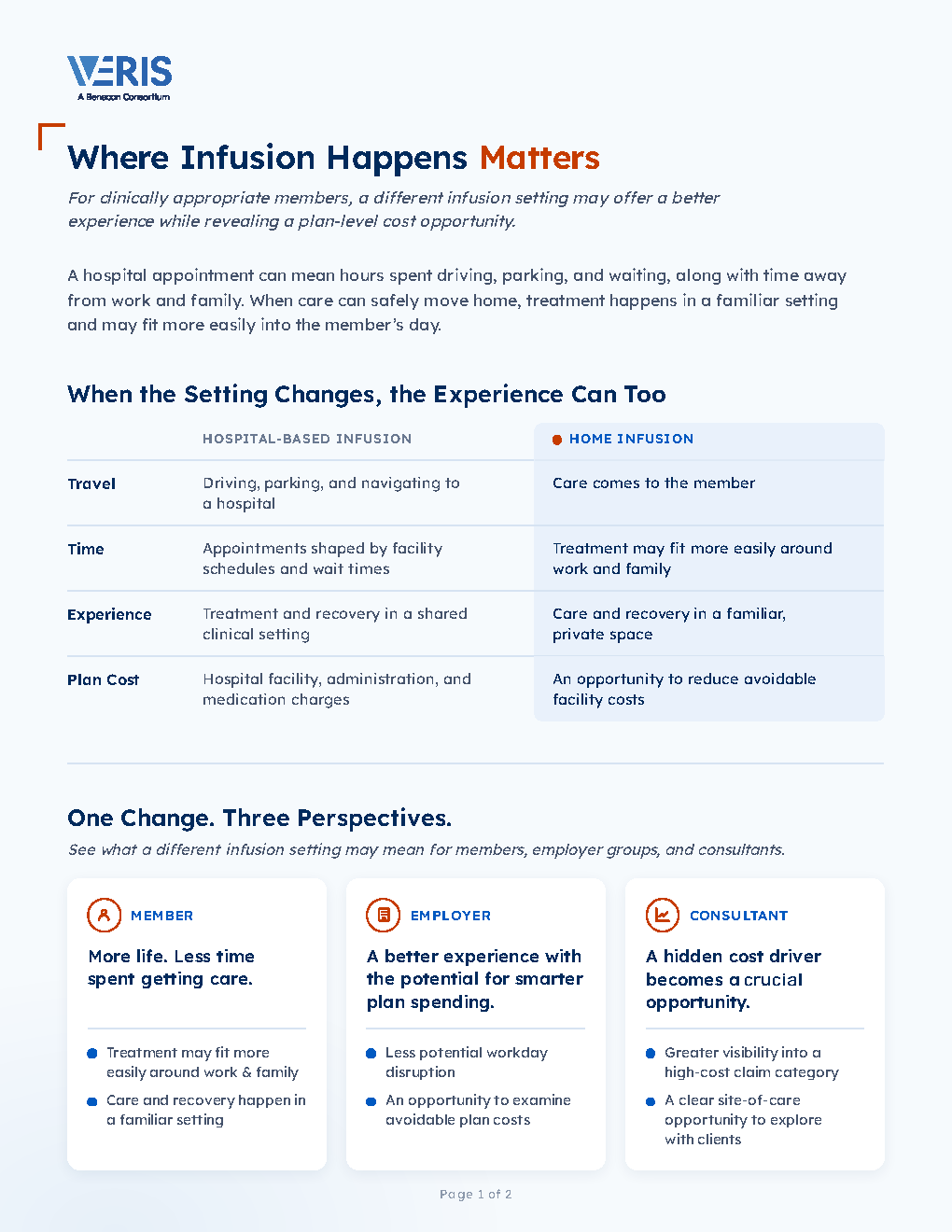
- Care delivery: Could a different treatment setting reduce costs for clinically appropriate members?
Now is the time to evaluate your options. Once renewal decisions are finalized, those opportunities become harder to act on.
Schedule a Renewal Strategy Review
Rx Corner
Start Early for Pharmacy Changes

Nick Miller, PharmD, CPBS
Senior Director of Pharmacy Services
If your clients are considering a formulary change, PBM carveout or carrier change, timing matters. Allow enough time to evaluate options, meet contract requirements and communicate clearly with impacted members.
Planning Your Timeline
Build these milestones into your planning, and confirm the requirements that apply to each client’s plan and contract:
- 90 days before the effective date: Finalize formulary changes.
- 60 days before changes take effect: Notify impacted members.
- 6–10 weeks: Allow time for a pharmacy market check or RFP, from collecting data and aligning goals to reviewing results.
My advice: Start early and confirm the termination requirements in the current contract. Don’t rush this important decision.
Watch This Month’s Rx Corner
Nick takes a closer look at pharmacy’s growing influence on self-funded plan strategy and what consultants should consider as they help clients evaluate their options.
2027 Cost Outlook
Will Cost Control Come at the Member’s Expense?
Employers face growing pressure to manage health benefit costs. Mercer’s employer survey highlights both the expected increases and the strategies employers are considering in response.
What This Means for Consultants
The challenge is to manage rising costs while supporting the people who rely on the plan. Higher deductibles may shift expenses to employees, but targeted strategies can help address the underlying sources of unnecessary spending.
For consultants, the opportunity is to help clients evaluate options that protect the plan while supporting access to quality care.
Read the 2027 Cost Outlook